
What is a Chat Bot?
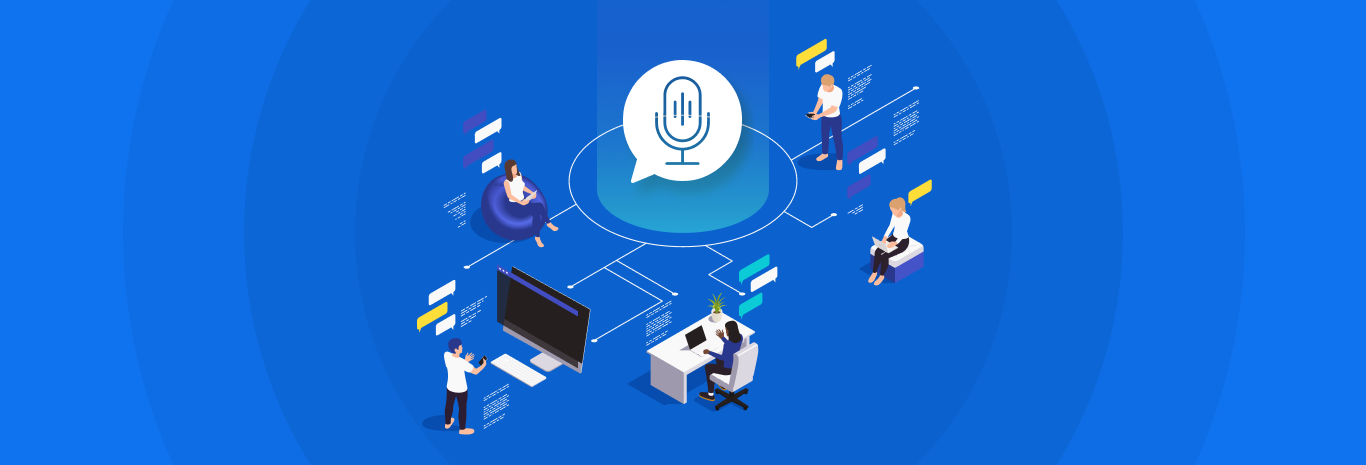
A Chat Bot (or Chatbot) is a software application designed to simulate human conversation with users via text or voice commands. It acts as a conversational interface between a human and a machine, allowing users to ask questions, perform tasks, or retrieve information without navigating complex websites or waiting for a human agent.
Chat bots range from simple “Rule-Based” programs (which follow a strict decision tree) to advanced “AI-Powered” bots (which use Natural Language Processing to understand intent).
Simple Definition:
- Rule-Based Chat Bot: Like a Phone Menu (IVR). You must press 1 for Sales or 2 for Support. If you try to tell a story, it doesn’t understand.
- AI Chat Bot: Like a Store Clerk. You can walk up and say, “I’m looking for running shoes,” and it understands your goal and guides you to the right shelf.
Key Features
To function effectively in an enterprise setting, a chat bot system requires these five core capabilities:
- Automated Responses: The ability to instantly reply to common queries (FAQs) such as “What are your business hours?” or “Reset my password.”
- Decision Trees: A visual flow of “If/Then” logic that guides users through structured processes (e.g., qualifying a sales lead).
- Multi-Channel Support: The bot works consistently across different platforms, including the company website, WhatsApp, Facebook Messenger, and mobile apps.
- Human Handoff: A safety mechanism that detects when the bot is stuck or the user is frustrated, seamlessly transferring the chat to a live human agent.
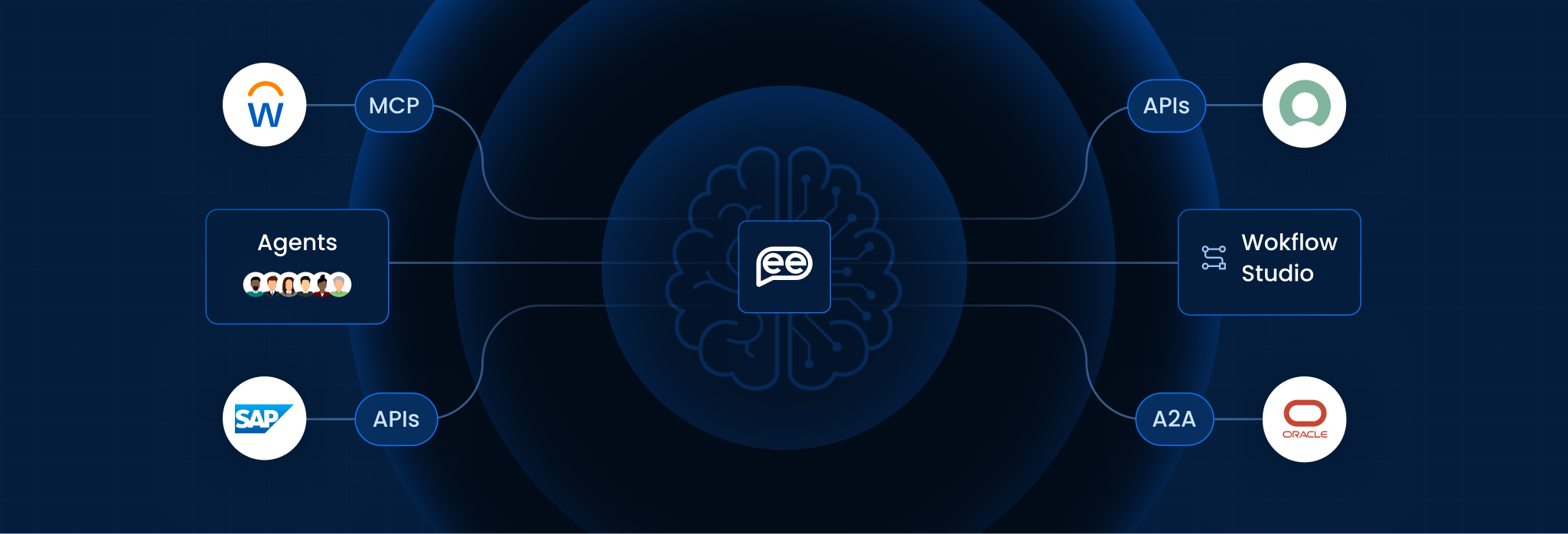
- Integration APIs: Connections to backend systems (CRM, Inventory) to fetch real data, allowing the bot to say “Your order is in transit” rather than just “Check your email.”
Rule-Based vs. AI Chat Bot
This table compares the capabilities of simple scripted bots versus modern AI-enhanced bots.
|
The Scenario |
Rule-Based Chat Bot (Scripted) |
AI Chat Bot (Intelligent) |
|
User uses slang |
Fails: User says “My net is flaky.” Bot replies: “Command not recognized. Please type ‘Support’.” |
Understands: Bot recognizes “flaky net” means “Internet Connectivity Issue” and starts the troubleshooter. |
|
Typos in input |
Stops: User types “sppping status.” Bot returns an error because the keyword doesn’t match “shipping.” |
Corrects: Bot infers that “sppping” means “shipping” based on context and provides the order status. |
|
Complex phrasing |
Rigid: Can only handle one question at a time. “I want a refund and to update my address.” |
Multi-tasking: Separates the sentence into two distinct tasks (Refund + Address Update) and handles them sequentially. |
|
User frustration |
Blind: Keeps repeating “Please choose an option” while the user yells at the screen. |
Empathetic: Detects negative sentiment, apologizes, and immediately routes the chat to a human supervisor. |
How It Works (The Conversation Loop)
A chat bot operates through a continuous cycle of receiving and responding to input:
- User Input: The user types “Where is my order?” into the chat interface.
- Processing:
- Rule-Based: The bot scans for the keyword “Order.”
- AI-Based: The bot analyzes the Intent (Track Package) and Entity (Order Number).
- Backend Query: The bot connects to the Order Management System (OMS) via API to check the status.
- Response Generation: The bot formats the data into a friendly message: “Your order #123 is out for delivery.”
- Output: The message is displayed to the user.
Benefits for Enterprise
According to Gartner and Forrester, deploying chat bots is a critical strategy for scaling customer service in 2026:
- Cost Efficiency: Bots can answer up to 80% of routine questions, significantly reducing the need to hire large teams of support agents for Tier-1 issues.
- 24/7 Availability: Unlike human staff, bots never sleep, take breaks, or go on vacation, ensuring customers get immediate help at 3:00 AM on a Sunday.
Instant Scalability: During peak seasons (like Black Friday), a bot system can handle 10,000 concurrent chats just as easily as it handles 10, preventing queue buildups.
Frequently Asked Questions
Do chat bots replace human agents?
No. They act as a filter. They handle the repetitive, simple questions (Tier-1), allowing human agents to focus on complex, emotional, or high-value interactions (Tier-2/3).
How long does it take to build a bot?
A simple rule-based bot can be built in a few days using “No-Code” platforms. A complex AI bot with backend integrations typically takes 4-8 weeks to train and deploy.
What happens if the bot doesn't know the answer?
It triggers a “Default Fallback.” Ideally, this offers to transfer the user to a human agent or allows them to leave a message/ticket.
Are chat bots secure?
Yes, enterprise bots use encryption (TLS 1.2+) to protect data in transit. They can also be configured to redact sensitive information (like credit card numbers) from chat logs.
Can a bot work on WhatsApp?
Yes. Modern bot platforms are “Omnichannel,” meaning you build the logic once, and it can be deployed to the Web, WhatsApp, Slack, and Microsoft Teams simultaneously.
What is the difference between a Chat Bot and a Virtual Assistant?
The terms are often used interchangeably. Generally, Chat Bot refers to a text-based interface on a website, while Virtual Assistant (like Siri or Alexa) often implies a voice-activated, personal helper.
Want To Know More?
Book a Demo