
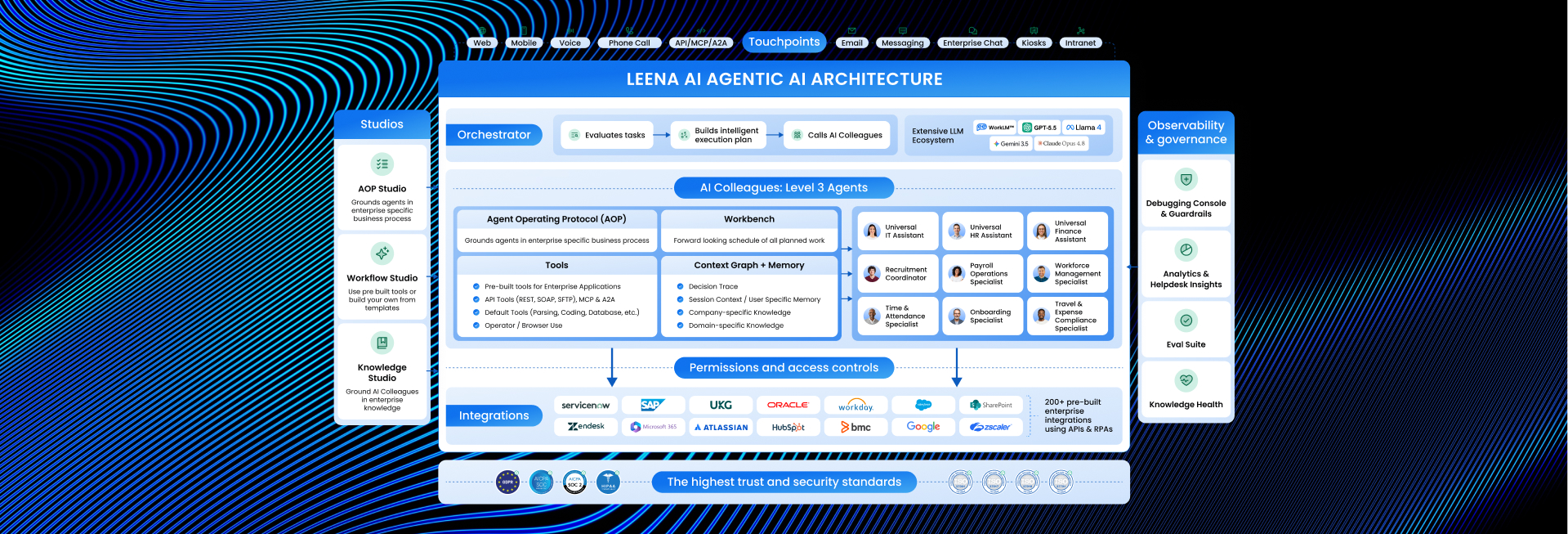
What is Just-in-Time Knowledge?
Just-in-Time Knowledge (JITK) is a delivery model where information, training, or insights are provided to a user at the exact moment they need them to complete a specific task. Borrowing from the “Just-in-Time” manufacturing philosophy, JITK rejects the idea of front-loading vast amounts of “Just-in-Case” training that might be forgotten before it is ever applied.
In 2026, JITK is primarily powered by Agentic AI and Contextual Search. Instead of a worker searching through a 500-page manual, an AI observes their current digital workspace (like a half-finished line of code or a specific CRM field) and “pushes” the relevant solution or policy directly to them.
Simple Definition:
- Just-in-Case Knowledge: Like a College Degree. You spend four years learning everything about a subject “just in case” you need it in your future career.
- Just-in-Time Knowledge: Like a YouTube Tutorial you watch on your phone while standing in front of a broken sink. You learn only the specific skill needed to fix that one pipe, right now.
Key Features
To be effective, JITK systems must possess these five core traits:
- Context Awareness: The system understands what the user is doing (e.g., “The user is filing a tax form for a client in Sweden”).
- Micro-Learning Modules: Information is broken down into small, “snackable” pieces that can be consumed in under 60 seconds.
- Proactive Delivery: The system doesn’t wait to be asked; it “nudges” the user with a helpful tip before they make a mistake.
- Source Grounding: Every piece of info is pulled from a verified Knowledge Base to ensure accuracy.
- Feedback Integration: If a user finds a JITK tip unhelpful, the system learns and improves the next suggestion.
Just-in-Case vs. Just-in-Time
This table compares traditional training with modern, AI-augmented knowledge delivery.
|
Feature |
Just-in-Case (Traditional) |
Just-in-Time (AI-Driven) |
|
Timing |
Delayed: Months or years before the task. |
Immediate: At the moment of the task. |
|
Retention |
Low: Most info is forgotten without use. |
High: Knowledge is applied immediately. |
|
Scope |
Broad: Covers the whole subject. |
Granular: Covers only the current step. |
|
Interface |
Classroom, LMS, or Handbooks. |
[AI Overlays], Chatbots, or AR. |
|
Philosophy |
“Teach a man to fish (eventually).” |
“Show the man where the fish is now.” |
How It Works (The Retrieval Loop)
JITK uses an “Observe-and-Assist” loop to minimize the time between a question and an answer:
- Activity Monitoring: The system detects the user’s active window and cursor position.
- Intent Recognition: It realizes the user is struggling with a specific “High-Error” step (e.g., configuring a complex network switch).
- Search & Retrieval: The AI searches the [Enterprise Graph] for the most successful recent solutions for that specific problem.
- Surgical Delivery: A small pop-up or voice-assistant says: “Wait, for this specific model, you must toggle the ‘Bypass’ switch first.”
- Application: The user follows the instruction and moves on to the next task.
Benefits for Enterprise
Strategic analysis for 2026 identifies JITK as the ultimate tool for Operational Efficiency:
- Reduced Training Costs: Companies spend less on “Onboarding Weeks” because new hires can learn while doing the actual work.
- Error Prevention: By providing the “right answer” at the point of action, JITK drastically reduces expensive human errors in manufacturing or medicine.
- Knowledge Democratization: It allows a “Junior” employee to perform at the level of a “Senior” by giving them instant access to the senior’s recorded expertise.
Frequently Asked Questions
Is JITK just a help menu?
No. A help menu is reactive (you find it). JITK is proactive (it finds you). It uses AI to understand your context and offer help without being asked
Does this lead to Shadow Learning?
Sometimes. If the JITK source isn’t governed, employees might get bad info from unverified sources. This is why Governed Self-Service is vital
What is Micro-Learning?
It is the delivery of content in very short bursts (30 seconds to 3 minutes). JITK relies on micro-learning because users won’t stop their work to read a 10-page article.
Can JITK be used in physical jobs?
Yes. Technicians use Augmented Reality (AR) glasses. When they look at a machine, the AR “overlays” the repair instructions directly onto the physical parts.
How does AI improve JITK?
In the past, JITK was based on simple “If-Then” rules. AI now understands “Intent,” meaning it can help you even if you don’t use the exact right keywords.
Does it replace the need for deep expertise?
A surgeon using a robotic arm with “haptic feedback” is IA. The surgeon makes the cuts, but the machine ensures the hand never shakes, even by a millimeter.
Want To Know More?
Book a Demo