
What is Automation Orchestration?
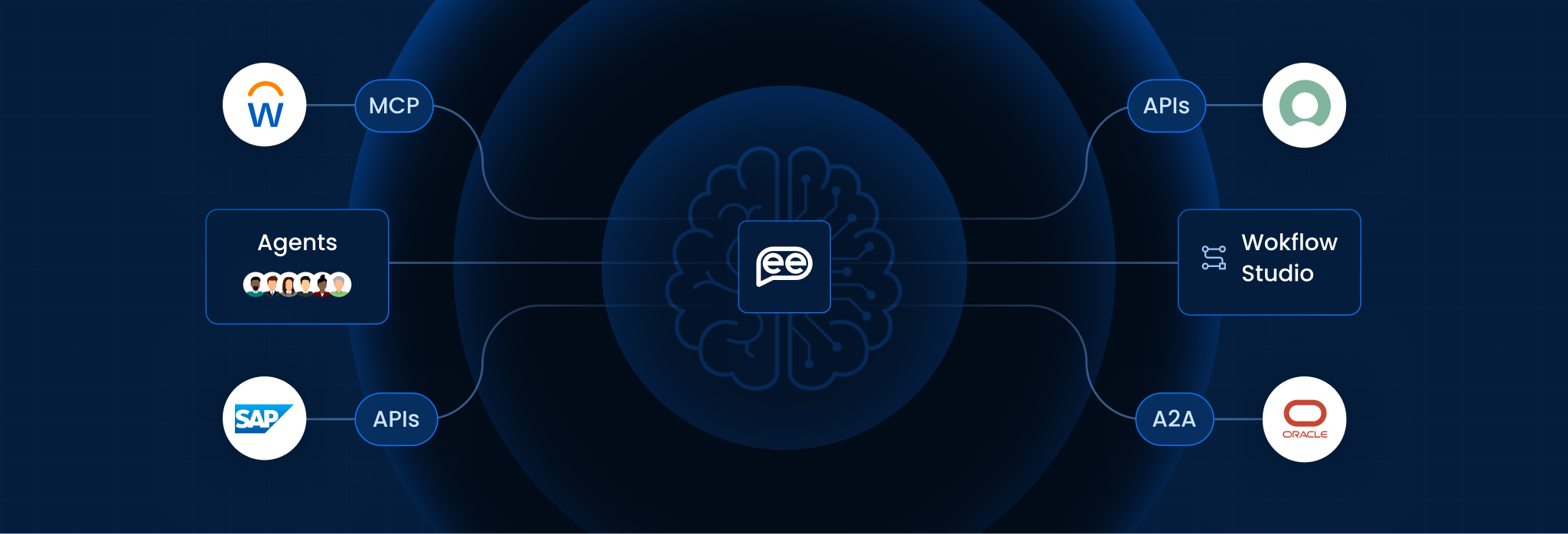
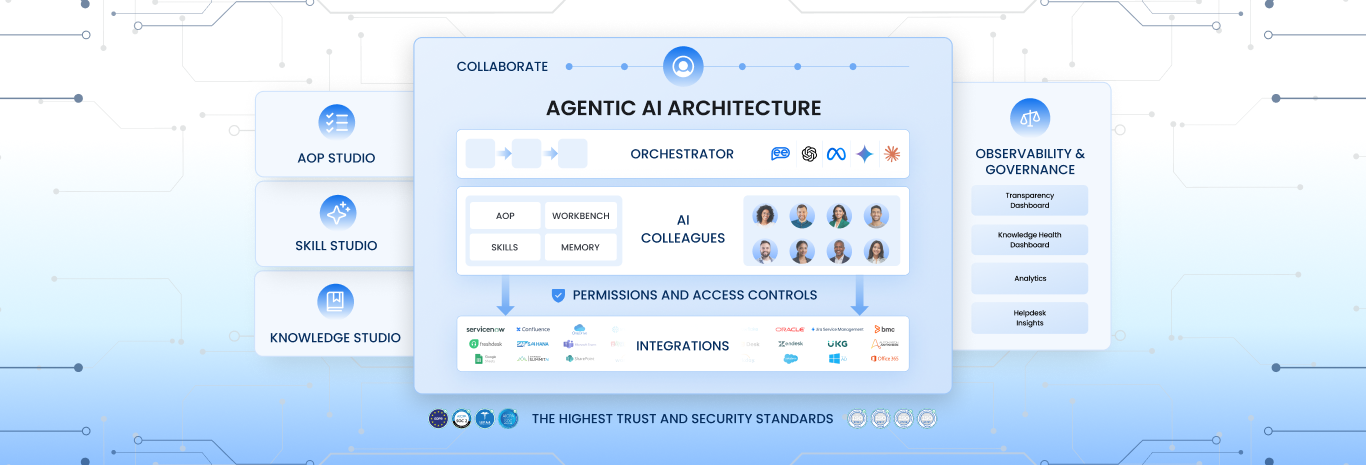
Automation Orchestration is the centralized management and coordination of multiple automated tasks, scripts, and [Autonomous Agents] to create a unified, end-to-end business process.
Unlike simple automation (which executes a single task, like “Save email to Excel”), Orchestration acts as the “manager.” It connects these isolated tasks across different systems, environments (Cloud, On-Prem), and teams, ensuring they execute in the correct order and handle errors intelligently.
Simple Definition: Automation is like playing a single instrument. You can play the violin perfectly on your own.
Automation Orchestration is the conductor. It ensures the violin, the drums, and the trumpet all play at the right time to create a symphony, rather than just noise.
Key Features
To successfully manage enterprise-scale processes, an Orchestration platform must provide these five core capabilities:
- Unified Control Plane: A single dashboard to view, manage, and audit automations across disparate tools (e.g., RPA bots, API scripts, and Python code).
- Dependency Management: The ability to enforce logic like “Do not start Step B until Step A is finished successfully.”
- Dynamic Resource Allocation: It automatically assigns the right “worker” (bot or agent) to a task based on availability and skill set.
- State Management: It keeps track of long-running processes that may last days or weeks (e.g., waiting for a manager’s approval in an email).
- Error Handling & Recovery: If a specific script fails, the Orchestrator can retry it, roll back the changes, or alert a human, preventing the entire process from breaking.
Automation vs. Automation Orchestration
The difference lies in Scope and Complexity.
| Feature | Simple Automation (Task-Based) | Automation Orchestration (Process-Based) |
| Scope | Single Task (e.g., “Copy Data”). | Entire Workflow (e.g., “Onboard Employee”). |
| Connectivity | Siloed (Works in one app). | Connected (Spans ERP, CRM, HRIS). |
| Management | Decentralized (Managed on individual machines). | Centralized (Managed from one hub). |
| Intelligence | Low (Follows a rigid script). | High (Makes logic-based routing decisions). |
How It Works (The Orchestration Layer)
Orchestration functions as a layer that sits above your technical tools:
- Triggering: The Orchestrator receives a signal a submitted form, a webhook from Salesforce, or a scheduled time.
- Dispatching: It analyzes the workflow logic and dispatches the first task to the appropriate tool (e.g., telling an [RPA Bot] to log into a legacy mainframe).
- Synchronization: It waits for the bot to finish. Once confirmed, it takes the output data and passes it to the next tool (e.g., an API call to Slack).
- Governance: Throughout the process, it logs every action, input, and output for security compliance and audit trails.
Benefits for Enterprise
Strategic analysis from Gartner indicates that by 2026, organizations using orchestration will deliver services 3x faster than those using siloed automation.
- Elimination of “Islands of Automation”: It prevents the chaos of having hundreds of unmanaged scripts running on forgotten servers.
- End-to-End Visibility: CIOs get a “Single Pane of Glass” view to see exactly where a business process is stuck (e.g., “Waiting for Finance Approval”).
- Scalability: You can add more bots or agents to the pool during peak times (like Black Friday) without rewriting the process logic.
Frequently Asked Questions
Is Orchestration the same as Choreography?
No. In Orchestration, a central “conductor” tells everyone what to do. In Choreography, systems talk to each other peer-to-peer without a central manager. Orchestration is preferred in Enterprise IT for better control and visibility.
Does it replace my RPA tools (like UiPath)?
No. It manages them. You keep using UiPath or Blue Prism for the screen recording tasks. The Orchestrator tells the UiPath bot when to run and what data to process.
Can it handle Human-in-the-Loop steps?
Yes. A key feature of orchestration is pausing a digital workflow to wait for a human action (like an email approval) and then resuming automatically once the human responds.
Is this only for IT tasks?
No. While it started in IT (DevOps), it is now standard for business processes like [HR Onboarding], Supply Chain Management, and Financial Closing.
How secure is it?
It improves security. Instead of hard-coding passwords into dozens of scattered scripts, the Orchestrator manages credentials centrally using an encrypted vault, granting access only when needed.
What is the difference between this and BPM (Business Process Management)?
They are converging. Traditionally, BPM focused on human workflows, and Orchestration focused on technical scripts. Modern [Agentic AI] Orchestration platforms handle both human and machine tasks in a single flow.
Want To Know More?
Book a Demo