
What is an Orchestration Layer?
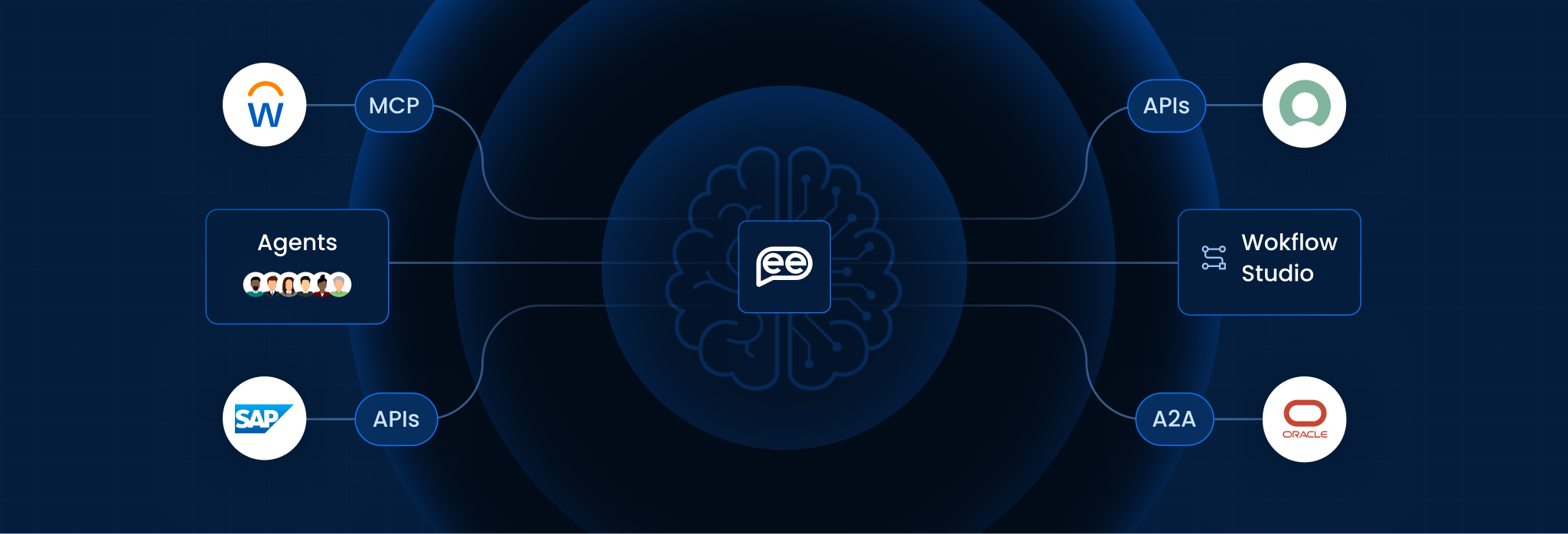
An Orchestration Layer is a specialized software tier that coordinates the interaction between disparate systems, services, and data sources to execute a complex end-to-end workflow. If the individual components of your stack (like an LLM, a database, or an API) are “musicians,” the orchestration layer is the Conductor. It ensures that every part plays its role at the right time, in the right sequence, and according to a master plan.
In 2026, the term has shifted from simple “container orchestration” (like Kubernetes) toward AI Orchestration. This involves managing “Agentic” workflows where an AI model doesn’t just answer a question, but instead uses the orchestration layer to check a calendar, search a vector database, call a third-party API, and then deliver a finalized result to the user.
Simple Definition:
- Standard Software: Like a Vending Machine. You press a button, one mechanism turns, and you get one result. There is no coordination needed.
- Orchestration Layer: Like a Professional Kitchen. When an order comes in, the “Expeditor” (Orchestration Layer) tells the chef to start the steak, the garnish station to prep the sides, and the server to ready the table so everything arrives perfectly at once.
The Role of Orchestration in AI (2026)
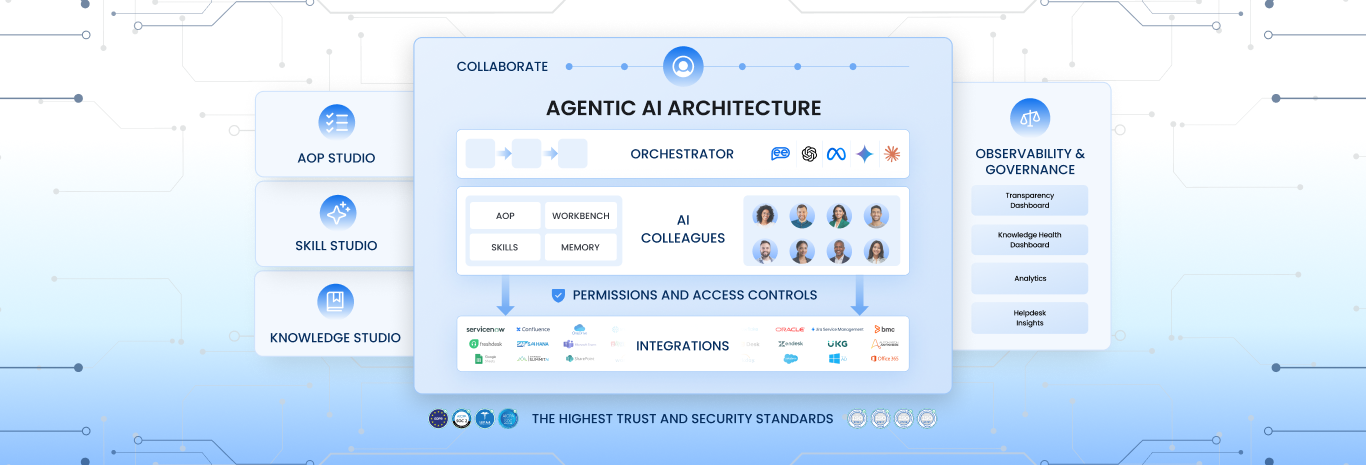
Modern AI orchestration layers (like LangChain, LlamaIndex, or proprietary enterprise frameworks) handle four key responsibilities:
- Memory Management: Maintaining the “State” of a conversation across multiple turns so the AI remembers what was said previously.
- Tool Use (Function Calling): Deciding which external tool or API the AI needs to solve a problem.
- Data Grounding: Retrieving the correct information from a Vector Database before sending a prompt to the model (RAG).
- Error Handling & Routing: If one AI model is offline or “hallucinating,” the orchestration layer automatically switches to a backup model or asks for human intervention.
Orchestration vs. Automation
While often used interchangeably, these represent different levels of complexity in 2026.
|
Feature |
Automation (Simple) |
Orchestration (Complex) |
|
Scope |
Single task or linear chain. |
Entire multi-step ecosystem. |
|
Logic |
“If This, Then That.” |
Dynamic, adaptive reasoning. |
|
System Interaction |
Usually one or two apps. |
Many disparate services/models. |
|
State |
Stateless (forgets after execution). |
Stateful (maintains context). |
|
2026 Usage |
Repetitive data entry. |
Autonomous AI Agents. |
How It Works (The Agentic Loop)
The orchestration layer acts as the “Central Intelligence Agency” for your applications:
- Request Ingestion: A user provides a high-level goal (e.g., “Plan a business trip to Tokyo and book the flights”).
- Task Decomposition: The orchestration layer breaks the goal into sub-tasks: (A) Check travel policy, (B) Search flights, (C) Verify calendar availability.
- Service Invocation: It sends a request to the Travel API for flights and the Corporate Database for policies.
- Context Synthesis: It feeds all collected data into the LLM with a specific prompt to “Reason” through the options.
- Action Execution: Once the LLM “decides” on a flight, the orchestration layer calls the booking API to finalize the transaction.
Benefits for Enterprise
- Decoupling Logic: You can swap out your AI model (e.g., moving from GPT-4 to a specialized local model) without rebuilding your entire app, because the orchestration layer handles the “plumbing.”
- Scalability: Orchestration layers allow you to manage thousands of concurrent “Agent” sessions without the system becoming tangled or losing data.
- Security & Guardrails: By placing a “Policy Layer” within the orchestration tier, you can ensure that the AI never accesses sensitive data or performs unauthorized actions.
- Observability: It provides a single point to log every action taken by the AI, making it easier to debug why a specific decision was made.
Frequently Asked Questions
Is Kubernetes an orchestration layer?
Yes Kubernetes is an infrastructure orchestration layer. It manages containers. However in 2026 most AI developers are referring to “Application” or “AI” orchestration when they use the term.
What is the Context Window in orchestration?
This is the amount of data the orchestration layer can “feed” into the AI at once. Orchestrators use techniques like RAG to fit only the most relevant info into this window.
Do I need an orchestration layer for a simple chatbot?
Probably not If your bot just answers FAQs one-by-one you don’t need it. If your bot needs to “Do” things in other apps you definitely do.
What are the most popular orchestration frameworks in 2026?
Open-source leaders include LangChain LlamaIndex and Haystack. Enterprise-specific versions are provided by Microsoft Azure AI Studio Amazon Bedrock and Google Vertex AI.
Can orchestration reduce AI costs?
Yes A good orchestrator can “route” simple questions to cheap small models and only send the “Hard” questions to expensive high-end models saving significant API costs.
What are Prompt Templates?
These are pre-written prompt structures with placeholders like Customer Name that allow enterprises to scale consistent AI responses across a whole department.
Want To Know More?
Book a Demo