

What is Structured Data?
Structured Data refers to information that has been organized into a highly formatted and predictable model, typically in the form of rows and columns. This data is governed by a predefined schema (a set of rules), ensuring that every piece of information fits into a specific category such as a date, a currency, or a zip code. Because of this rigid organization, computers can search, sort, and analyze structured data with extreme speed and precision.
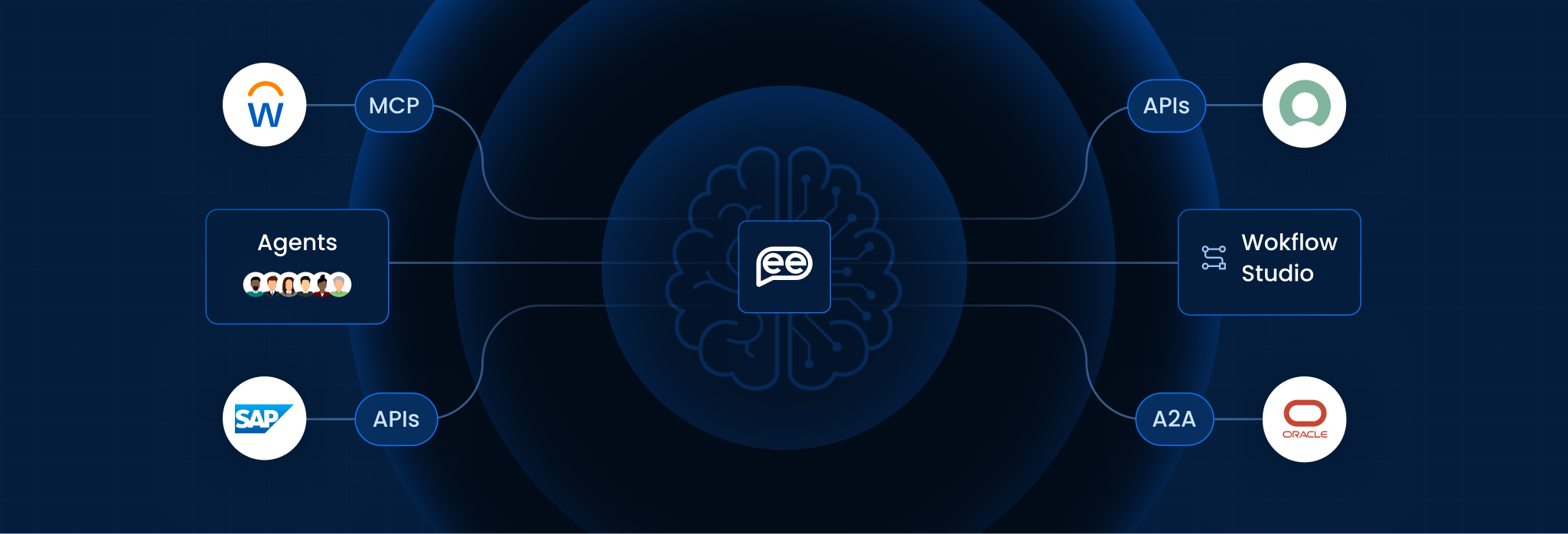
In 2026, while the world is focused on the “unstructured” content (text and images) that powers Large Language Models (LLMs), structured data remains the “Truth Layer” for enterprise AI. It provides the grounding and verifiable facts that prevent AI systems from hallucinating. For an AI to perform a task like “Calculate the Q3 revenue,” it cannot rely on a narrative PDF; it needs the structured transaction logs from a relational database.
Simple Definition:
- Unstructured Data: Like a Pile of Books. There is incredible information inside, but you have to read every page to find it.
- Structured Data: Like a Library Spreadsheet. Every book’s title, author, and aisle number is listed in a neat table. You can find exactly what you need in seconds without opening a single cover.
Key Components & Formats
To be considered “Structured,” data must follow these architectural standards:
- Fixed Schema: The data model is defined before the data is stored (Schema-on-Write).
- Relational Tables: Data is stored in tables that can be linked to one another (e.g., linking a “Customer ID” in a sales table to a “Customer Name” in a profile table).
- SQL (Structured Query Language): The universal programming language used to communicate with and extract insights from structured databases.
- Data Types: Every field has a strict definition (e.g., an “Age” field will reject text entries like “Twenty”).
Structured vs. Unstructured (The 2026 Comparison)
This table defines the roles of the two primary data types in modern AI pipelines.
|
Feature |
Structured Data |
Unstructured Data |
|
Organization |
Predefined Schema (Rows/Cols). |
No predefined format (Free-form). |
|
Searchability |
Extremely High: Via SQL. |
Semantic: Via Vector Search. |
|
Storage |
Relational Databases (SQL). |
Data Lakes / File Systems. |
|
Primary Examples |
CRM records, Financial logs. |
Emails, Videos, PDFs, Audio. |
|
AI Role |
The “Truth”: Factual grounding. |
The “Context”: Nuance and detail. |
|
2026 Trend |
Powering [Agentic AI] actions. |
Driving [RAG] pipelines. |
How It Works (The Data Pipeline)
The lifecycle of structured data is designed for maximum “Data Integrity”:
- Ingestion: Data is gathered from sources like point-of-sale systems or web forms.
- Validation: The system checks the data against the schema (e.g., ensuring a credit card number has 16 digits).
- ETL (Extract, Transform, Load): The data is cleaned and moved into a central Data Warehouse.
- Indexing: The database creates a “map” of the data so queries can skip irrelevant rows.
- Analytics/AI Query: A user or an AI Agent requests specific data, and the system returns a precise, numerical answer instantly.
Benefits for Enterprise AI
- Agentic Reliability: For an AI agent to execute real-world actions (like issuing a refund), it must interact with structured ERP and CRM systems where data is 100% predictable.
- Deterministic Accuracy: Unlike text-based AI, which works on “probability,” structured data analysis works on “certainty.” It is the only way to perform regulated financial or medical reporting.
- Governance & Compliance: Because structured data has a clear lineage and schema, it is much easier to apply access controls and meet GDPR or HIPAA standards.
- Semantic Layer Integration: In 2026, companies are layering Semantic Models over their structured data, allowing employees to “ask” their database questions in plain English.
Frequently Asked Questions
Is a CSV file structured data?
Yes. While simpler than a database, a CSV (Comma Separated Values) file follows a row-and-column format that computers can easily parse.
Why is everyone talking about Unstructured if Structured is better?
“Better” depends on the goal. Structured data is better for numbers and facts. Unstructured data makes up 80% of all data and is better for understanding human sentiment, stories, and context.
What is Semi-Structured data?
These are formats like JSON or XML. They don’t have a rigid table structure, but they use “tags” (metadata) to help the computer identify what the data is.
Can an LLM read structured data?
Yes, but it’s risky. Modern practice uses Text-to-SQL, where the AI writes a database query to get the exact number rather than trying to “guess” the number from a text description.
What is Schema Drift?
This is a problem where the data being collected changes (e.g., a new 5-digit zip code format is introduced), but the old structured schema hasn’t been updated to handle it yet.
Is structured data expensive to store?
Actually, it is very cost-effective. Because it is so organized, it can be compressed much more efficiently than images or videos.
Want To Know More?
Book a Demo