

What is AIOps?
Artificial Intelligence in IT Operations (AIOps) is the application of advanced AI technologies including machine learning, natural language processing (NLP), and [Agentic AI] to automate and enhance IT operations.
Unlike traditional monitoring tools that simply set off alarms when a server crashes, AIOps is predictive and proactive. It aggregates massive volumes of data from fragmented IT tools (logs, metrics, tickets), identifies the root cause of issues in real-time, and often initiates an autonomous fix without human intervention.
Simple Definition: Traditional IT operations is like a smoke detector it makes a loud noise after the fire starts.
AIOps is like a smart sprinkler system. It detects the heat before the fire spreads, turns on the water exactly where needed, and shuts off automatically when the danger is gone.
Key Features
To be considered a true AIOps platform (and not just a monitoring dashboard), the system must possess these five core capabilities:
- Noise Reduction: It filters out 99% of false alarms and “alert storms,” grouping thousands of related events into a single, manageable incident.
- Root Cause Analysis (RCA): Instead of showing symptoms (e.g., “Email is slow”), it pinpoints the cause (e.g., “Database Server 3 has high latency due to a bad patch”).
- Predictive Analytics: It analyzes historical patterns to forecast outages before they happen (e.g., “Disk space will run out in 48 hours”).
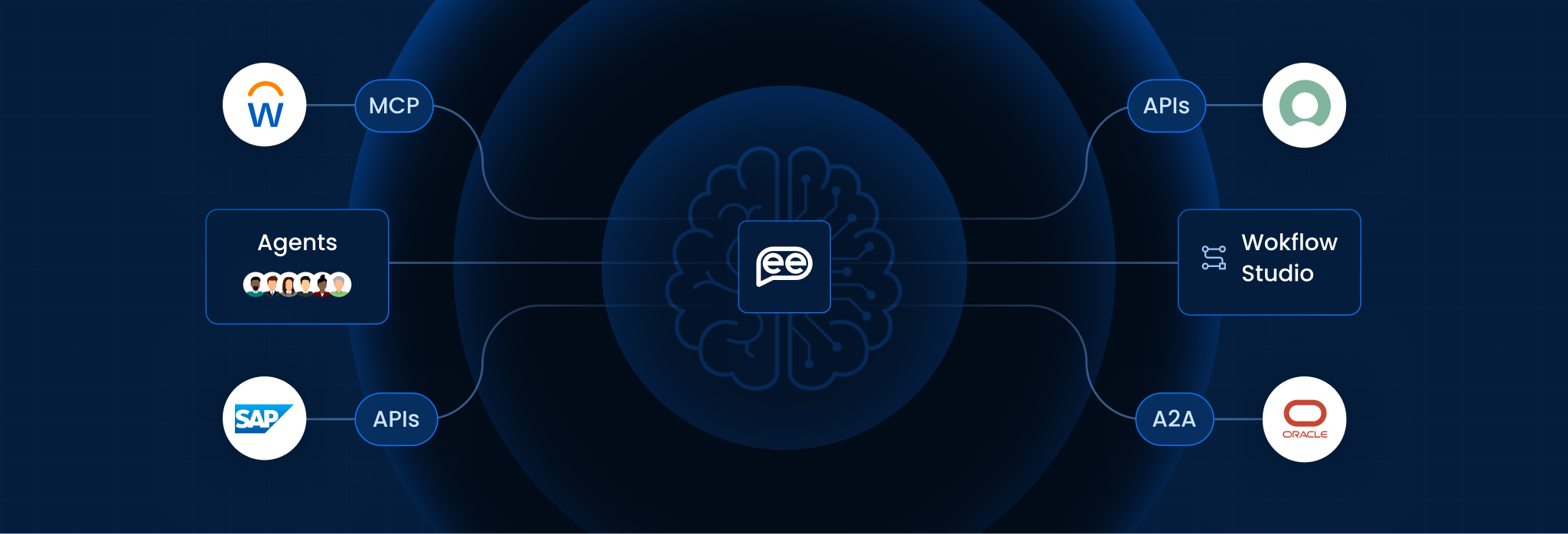
- Automated Remediation: It uses [Autonomous Workflows] to trigger scripts that fix common issues (like restarting a service or clearing cache) instantly.
- Cross-Domain Visibility: It connects data from Siloed teams Network, Cloud, Security, and App Dev into a single “Single Pane of Glass.”
AIOps vs. Traditional IT Operations
The difference lies in Reactive vs. Proactive.
| Feature | Traditional IT Operations | AIOps (AI-Driven) |
| Trigger | Reactive: Acts only after a user complains or a system fails. | Predictive: Acts before the failure impacts the business. |
| Data Analysis | Siloed: Network looks at network logs; App looks at app logs. | Unified: Correlates data across the entire stack. |
| Resolution | Manual: Humans must hunt for the error code. | Automated: AI suggests or executes the fix. |
| Alert Volume | High (Thousands of “noise” alerts daily). | Low (Only critical, contextualized incidents). |
How It Works (The AIOps Loop)
AIOps operates in a continuous cycle of ingestion and action, often described as “Observe, Engage, Act”:
- Ingestion (The Eyes): The system collects real-time data from every corner of the enterprise server logs, API traffic, [Service Desk] tickets, and cloud metrics.
- Correlation (The Brain): Machine Learning algorithms look for patterns. It recognizes that “High CPU on Server A” and “Slow Checkout on Website” are actually the same incident.
- Diagnosis (The Logic): The AI traces the dependency map to find the “Patient Zero” (the root cause).
- Remediation (The Hands): The system triggers an [Autonomous Agent] to apply a patch, scale up server capacity, or route the ticket to the exact engineer who wrote the code.
Benefits for Enterprise
According to Gartner and Forrester, adoption of AIOps is a top strategic trend for 2026, driven by:
- Drastically Reduced MTTR: Mean Time To Resolution drops from hours to minutes because the AI eliminates the “hunting for the problem” phase.
- 24/7 System Resilience: Automated remediation works at 3:00 AM on a Sunday, preventing minor issues from becoming Monday morning disasters.
- Cost Efficiency: Reduces the need for massive “Level 1” support teams to stare at monitoring screens, allowing engineers to focus on innovation.
Frequently Asked Questions
Is AIOps just a new name for APM (Application Performance Monitoring)?
No. APM monitors applications. AIOps is a broader layer that ingests data from APM, but also from Infrastructure, Networking, Security, and Service Desks to see the “big picture” connection between them.
Is it difficult to implement?
It is a journey. It typically starts with “Event Correlation” (cleaning up the noise) which provides quick ROI. Full “Automated Remediation” is a mature stage that is implemented gradually as trust in the AI grows.
Does AIOps require replacing our current monitoring tools?
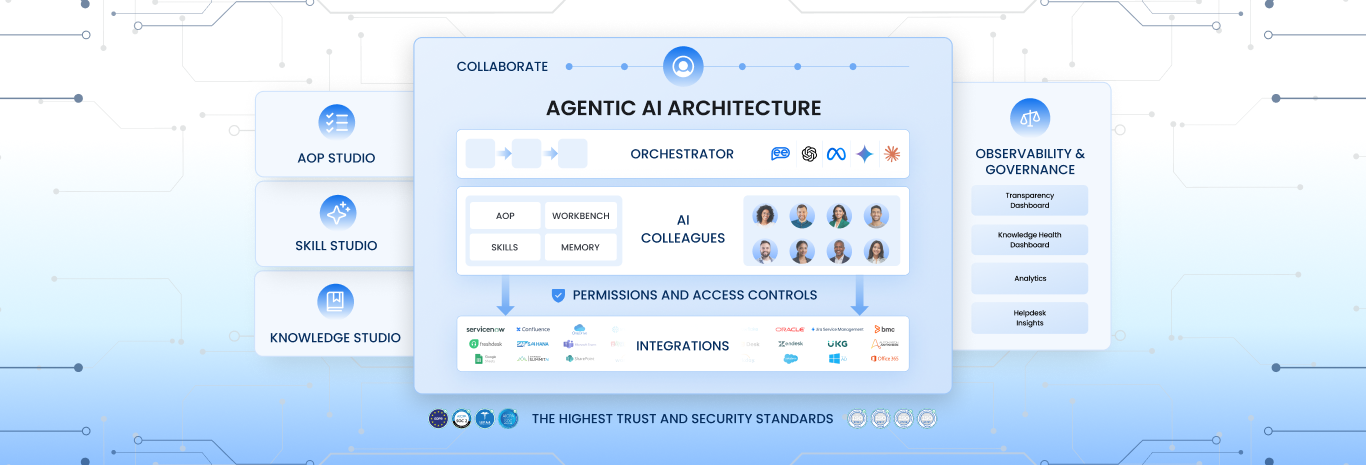
No. AIOps acts as an overlay. It sits on top of your existing tools (like Splunk, Datadog, or SolarWinds), digesting their data to provide smarter insights. You don’t need to “rip and replace.”
Will AIOps replace Site Reliability Engineers (SREs)?
No. It eliminates the “toil” (repetitive, manual work). SREs are still needed to define the architecture, set the reliability goals, and handle complex, novel incidents that the AI hasn’t seen before.
How much data do we need to start?
AIOps works best with high volumes of data. However, modern platforms come with “pre-trained” models that can start adding value immediately (like spotting standard anomalies) without months of historical data training.
Can AIOps help with Cybersecurity?
Yes. This is often called “DevSecOps.” AIOps can detect security anomalies (like an unusual spike in data export) that traditional rule-based firewalls might miss, flagging them as potential breaches
Want To Know More?
Book a Demo